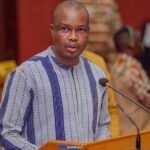
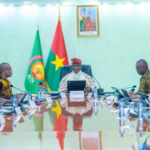

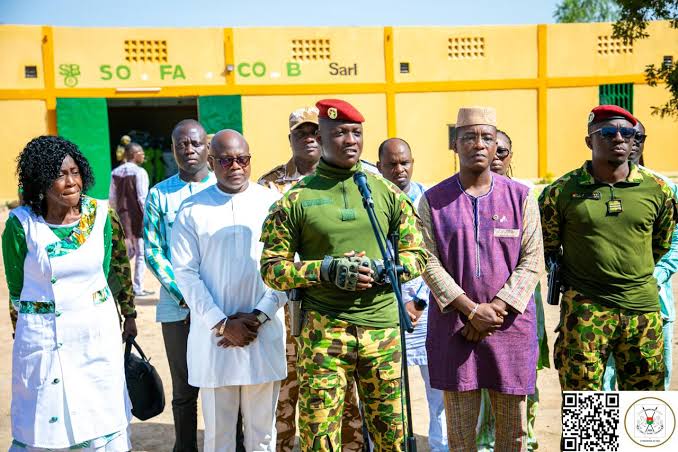
Woven thread replaces uniform in Ouagadougou’s ideological battle. Wearing Faso Dan Fani or Koko Dunda in cabinet meetings or in administrative offices is no longer a matter of simple sartorial elegance or controlled folklore.
Under Captain Ibrahim Traoré, every printed pattern and every strip of hand-woven cotton becomes a political manifesto in motion. This national garment asserts itself as an identity armor against globalized dress dictates.
Claiming local craftsmanship amounts to proclaiming that Burkina Faso controls its image, values its weavers, and refuses to be a passive consumer of foreign textile infrastructures.
This cultural rearmament infiltrates music studios and public stages. Engaged melodies, revisited traditional rhythms, and patriotic songs take over from official speeches to reach urban and rural youth in search of reference points.
Art no longer seeks to entertain gently; it takes the form of a vehicle for civic mobilization.
Artists become opinion relays capable of making the demand for integrity resonate even in the alleys of working-class neighborhoods.
On the cinema front, Ouagadougou is reactivating its historic vocation as the capital of African seventh art.
Direct support for engaged productions and combat documentaries is part of this desire to write the country’s history without intermediaries.
With the cinema screen becoming a tribune again, Burkinabe directors film daily struggles, the effort of production, and the quest for sovereignty.
This creative deployment serves as a tool of influence across the continent: Burkinabè soft power is now exported through the strength of its narratives, proving that a people who produce their own images control their destiny.
Aesthetics and politics merge to shape the new citizen. By linking the artisan’s gesture, the musician’s voice, and the filmmaker’s eye to the march of the State, the government transforms creation into ideological fuel. National affirmation definitively passes through the reappropriation of style, sound, and image.