





Burkina Faso’s security strategy is advancing on two parallel tracks: on one hand, localizing the defense industry; on the other, the military mobilization of all citizens. Together, they form the central narrative of the country’s pursuit of “strategic autonomy.”
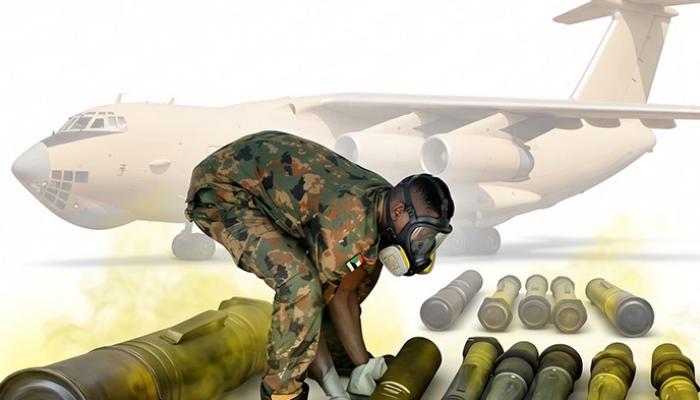
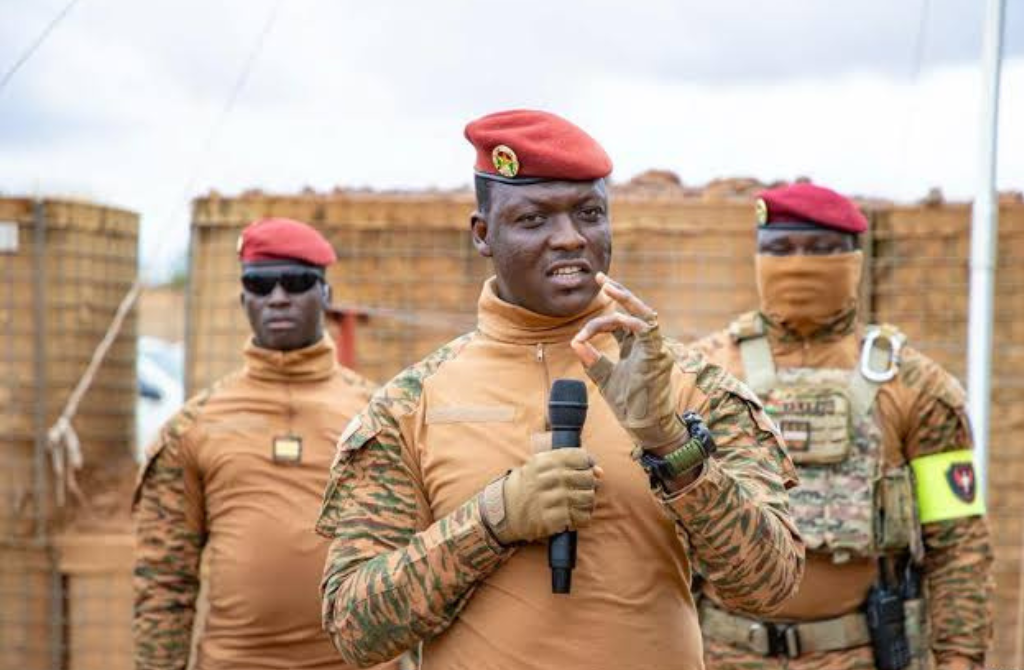
On equipment, national production has been elevated to a question of sovereignty. The 2027 budget explicitly places the equipping of the National Armed Forces among its priorities, and President Ibrahim Traoré has publicly confirmed that the country has four to five entities dedicated to defense production, including locally designed armored vehicles, part of whose production remains confidential for strategic reasons.
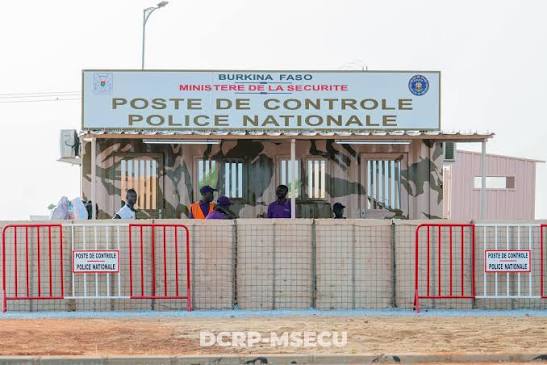
At the same time, law enforcement is being strengthened: in February 2026, 2,000 motorcycles named “Yento” (a Gourmantché word meaning “security”) were handed over to the National Police to reduce response times and cover high-crime areas.
Traoré’s logic is clear: a state that does not control its own defense tools does not control its destiny.
The other pillar is the institutionalization of citizen mobilization. On May 26, 2026, the Transitional Legislative Council unanimously adopted the law on the status of the military reserve, establishing two categories of reservists: one made up of people with military experience, immediately mobilizable; the other open to civilians, called upon to receive progressive training to supplement defense capabilities.
On the occasion of the 66th anniversary of the creation of the Armed Forces, on November 1, 2026, Defense Minister General Célestin Simporé indicated that less than a month after the law’s adoption, more than 86,000 citizens had registered, toward a target of 100,000 reservists by the end of 2026.
He stressed that defense cannot rest on active forces alone and that the reserve offers citizens an organized and lasting framework for participation, without turning every citizen into a soldier.
The point where the two tracks converge lies in one observation: territorial defense is no longer exclusively the business of the military.
The local defense industry seeks to break dependence on external arms supplies, while citizen mobilization embeds human resources within the national security architecture.
The durability of this combination will depend on the ability to effectively articulate the actual production of localized equipment and the quality of reservist training.
At this stage, the political will is clear, the institutional framework has just been established, and the real test lies in implementation.