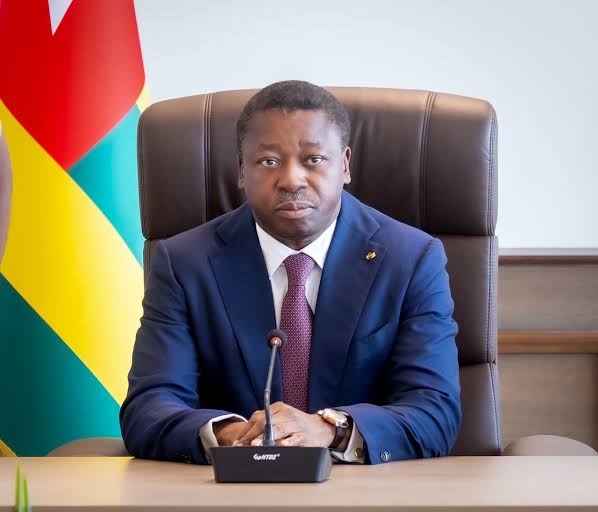
Togo’s President of the Council, Faure Gnassingbé, used a four-day visit to Moscow from October 27 to 30, 2026, to push for closer ties with Russia built on sovereignty, peace and economic transformation, marking a new stage in the rapprochement between Lomé and Moscow.
Invited by Russian President Vladimir Putin to the third Russia-Africa Summit, Gnassingbé arrived in the Russian capital on October 27 and immediately presided over a ceremony to sign several cooperation instruments between Togolese and Russian institutions.
The next day, he took part in the Russia-Africa Economic and Humanitarian Forum, focused on trade, investment, energy infrastructure, payment systems, digital transformation and food security.
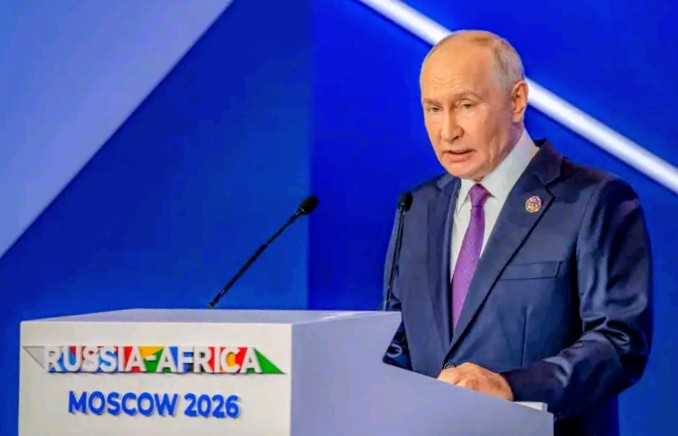
On October 29, he addressed the summit’s first plenary session at the Grand Kremlin Palace alongside Putin and several African heads of state and government. He called for a renewed Russia-Africa partnership structured around three priorities: the sovereignty of states, peace and stability, and the continent’s economic transformation.
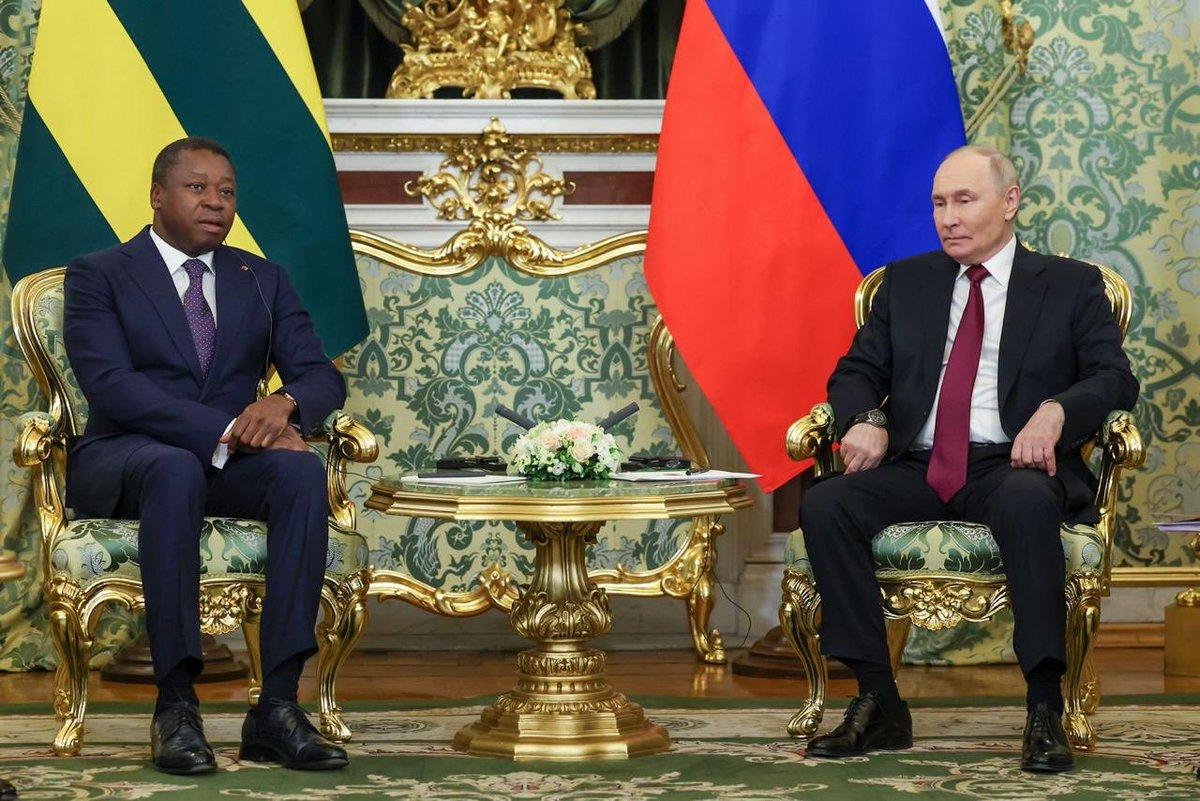
The high point of the mission came on Friday, October 30, when Putin received Gnassingbé at the Kremlin for bilateral talks. The two leaders reviewed progress in their relations since their previous meeting in November 2025 and opened new avenues for cooperation.
Gnassingbé welcomed the speed with which commitments have begun to materialize. He noted in particular the entry into force in September 2026 of the agreement on the foundations of bilateral relations, the reopening of the Russian embassy in Lomé in August, and preparations to open a Togolese embassy in Moscow.
Energy, transport and logistics, geological prospecting, agriculture and training were identified as priority sectors. Putin also highlighted the momentum in trade, estimated at $852 million in 2025, reflecting the rapid expansion of economic ties between the two countries.
Upon arriving in Moscow, Gnassingbé supervised the signing of two cooperation agreements and a memorandum of understanding. The first, concluded with the Russian organization Eurasia, covers humanitarian action, education, scientific research, culture and social development, with prospects for project financing and the construction of health, education and cultural infrastructure.
The second agreement, signed with Russia’s Federal Agency for International Humanitarian Cooperation, focuses on cultural, educational, scientific and humanitarian exchanges. It provides in particular for scholarships for Togolese students at Russian universities, an important lever for training the country’s elite.
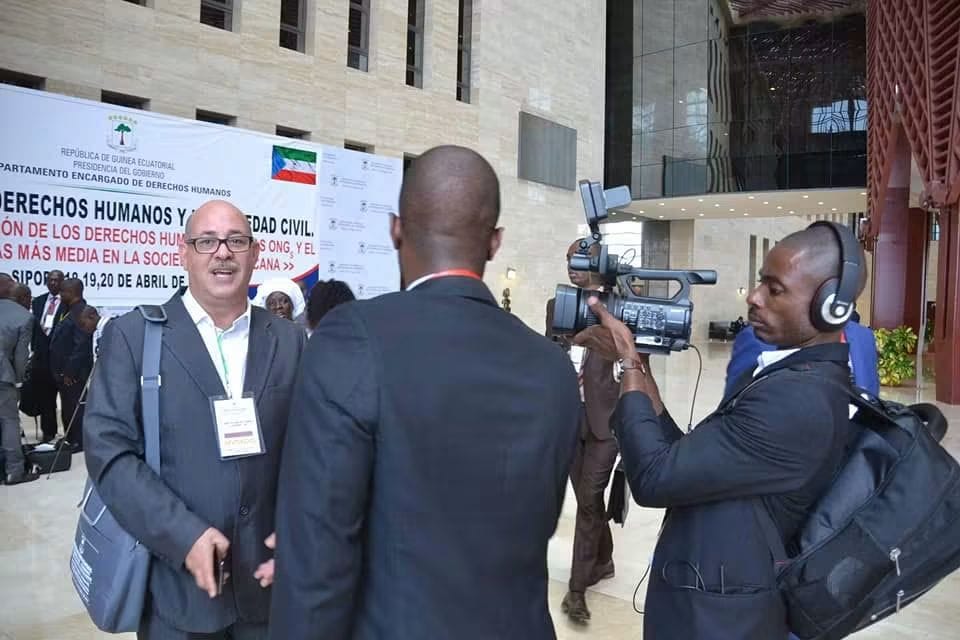
A memorandum was also signed between Togo’s National Human Rights Commission (CNDH) and the Russian Federation’s Human Rights Commissioner. The text aims to strengthen cooperation in promoting and protecting fundamental rights and freedoms, notably through the sharing of experience.
With seven memorandums already signed since November 2025, including one on civil nuclear cooperation with Rosatom, the Togo-Russia partnership is entering a phase of implementation.
The intergovernmental mixed commission, which met in Lomé in September, is expected to play a central role in monitoring and implementing these commitments.
For Faure Gnassingbé, the challenge is to turn declarations into operational projects that benefit the Togolese people. By focusing on energy, agriculture, training, infrastructure and the development of its logistics platform, Togo is asserting its desire to diversify its partnerships and strengthen its place in regional and international economic dynamics.