



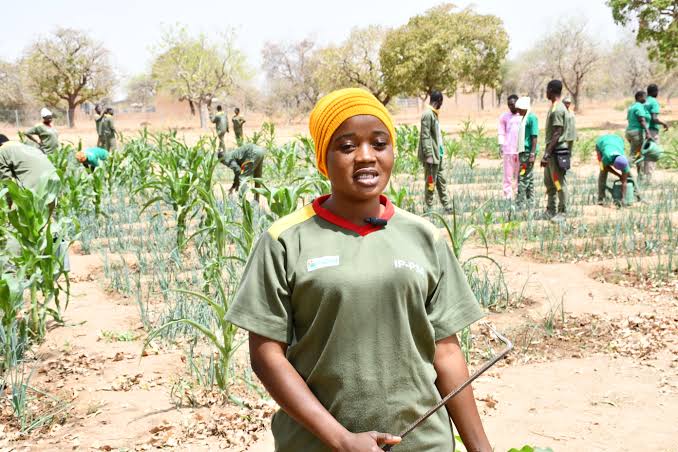
Young people are increasingly establishing themselves as a central actor in the modernization of agriculture and the building of food sovereignty. In a context marked by climate challenges, demographic pressure, and tensions over supplies, the engagement of young people in the agricultural sector is becoming a strategic response.
Far from the image of a traditional and unattractive agriculture, this sector is now undergoing a transformation driven by a new generation of entrepreneurs, innovators, and committed producers.
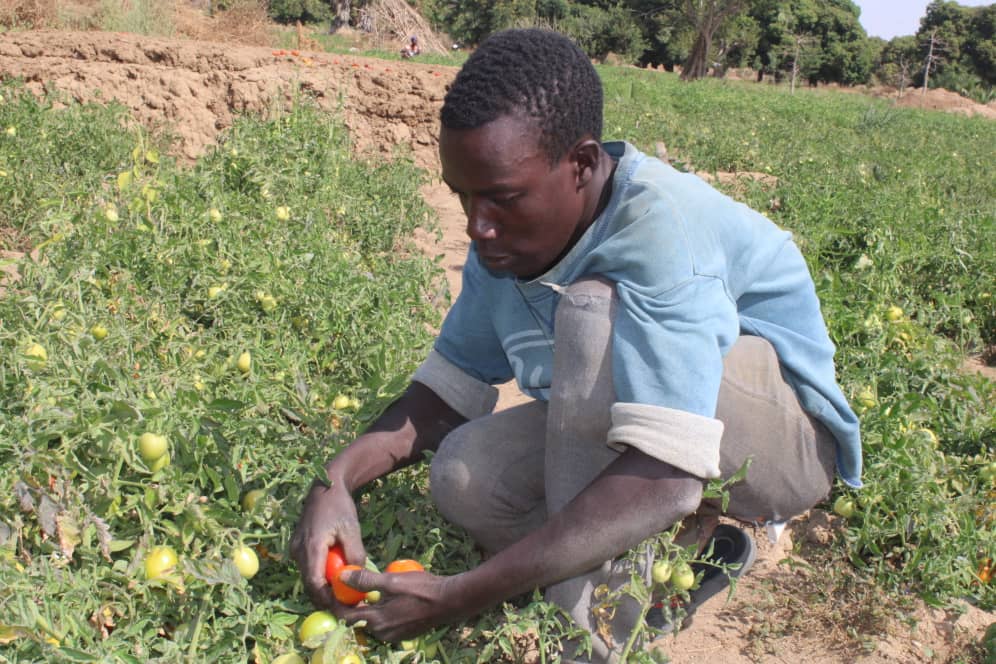
Many young Burkinabe are now investing in food crops, market gardening, livestock farming, agri-food processing, and agricultural services.
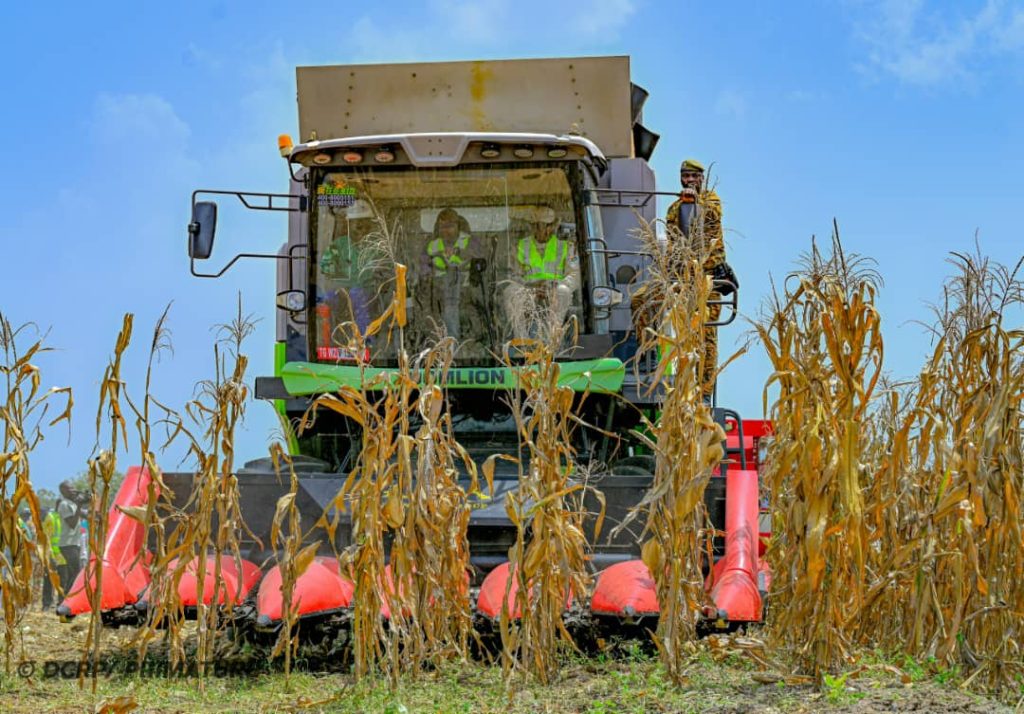
Some are adopting modern techniques such as drip irrigation, the use of improved seeds, light mechanization, and digital farm management.
This dynamic helps not only to increase yields but also to improve the profitability of agricultural activities.
By restoring attractiveness to rural areas, these young people are helping to curb migration to urban centers and to create sustainable jobs.
The modernization of agriculture also involves enhancing local innovation. Several young people are developing solutions adapted to the country’s realities, particularly in the storage, processing, and marketing of agricultural products.
This approach reduces post-harvest losses, improves the quality of foodstuffs, and promotes better integration of producers into value chains.
Thus, young people are no longer content merely to produce: they transform, organize, and innovate.
The Burkinabè State is supporting this evolution through various initiatives aimed at encouraging agricultural entrepreneurship, facilitating access to inputs, land, and financing, and promoting technical training.
These public efforts are essential to removing the obstacles that still hinder young people’s establishment and progress in the sector.
By supporting this generation, the public authorities are betting on a sustainable lever to strengthen the country’s food security.
Through their energy, creativity, and capacity to adapt, young Burkinabè are showing that agriculture can be a sector of the future.
Their mobilization opens the way to food sovereignty based on local production, innovation, and resilience.
In this transformation, agricultural youth are not only a hope: they are already an essential driver of national development.