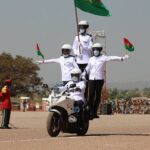


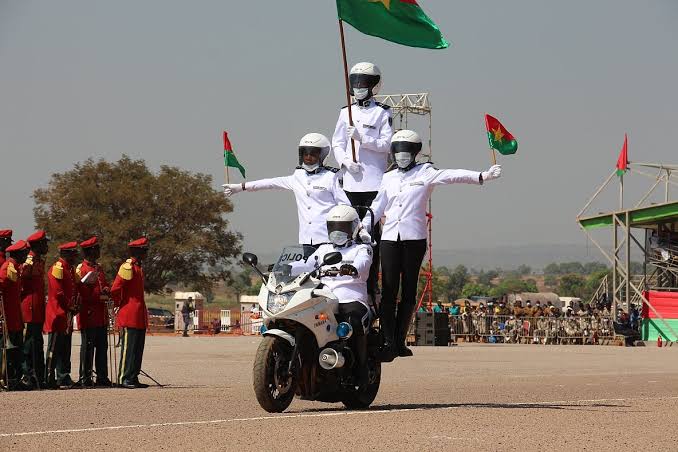
Five years of waiting, five years of gritting our teeth and holding firm through the storm. Today, December 11 returns with the force of a reconquest. This is not a simple return to the calendar, nor a ceremonial parenthesis. It is the heartbeat of a people rising up, looking their history straight in the eye, and affirming without trembling that they are masters of their own progress.
To resume this celebration after such a long pause is to show that hardship did not overcome the Burkinabè soul it tempered it.
This rebirth takes on its full meaning in the momentum of the Popular Progressive Revolution.
Here, the national celebration ceases to be a frozen backdrop and becomes the mirror of a profound transformation.
The chosen theme “Popular Progressive Revolution in Burkina Faso: A Consecration of Resilience Against Colonial Domination and Imperialism” resounds like an oath.
It shows that yesterday’s resistance nourishes today’s dignity, that independence is not decreed on paper but built every day through courage, work, and assumed sovereignty.
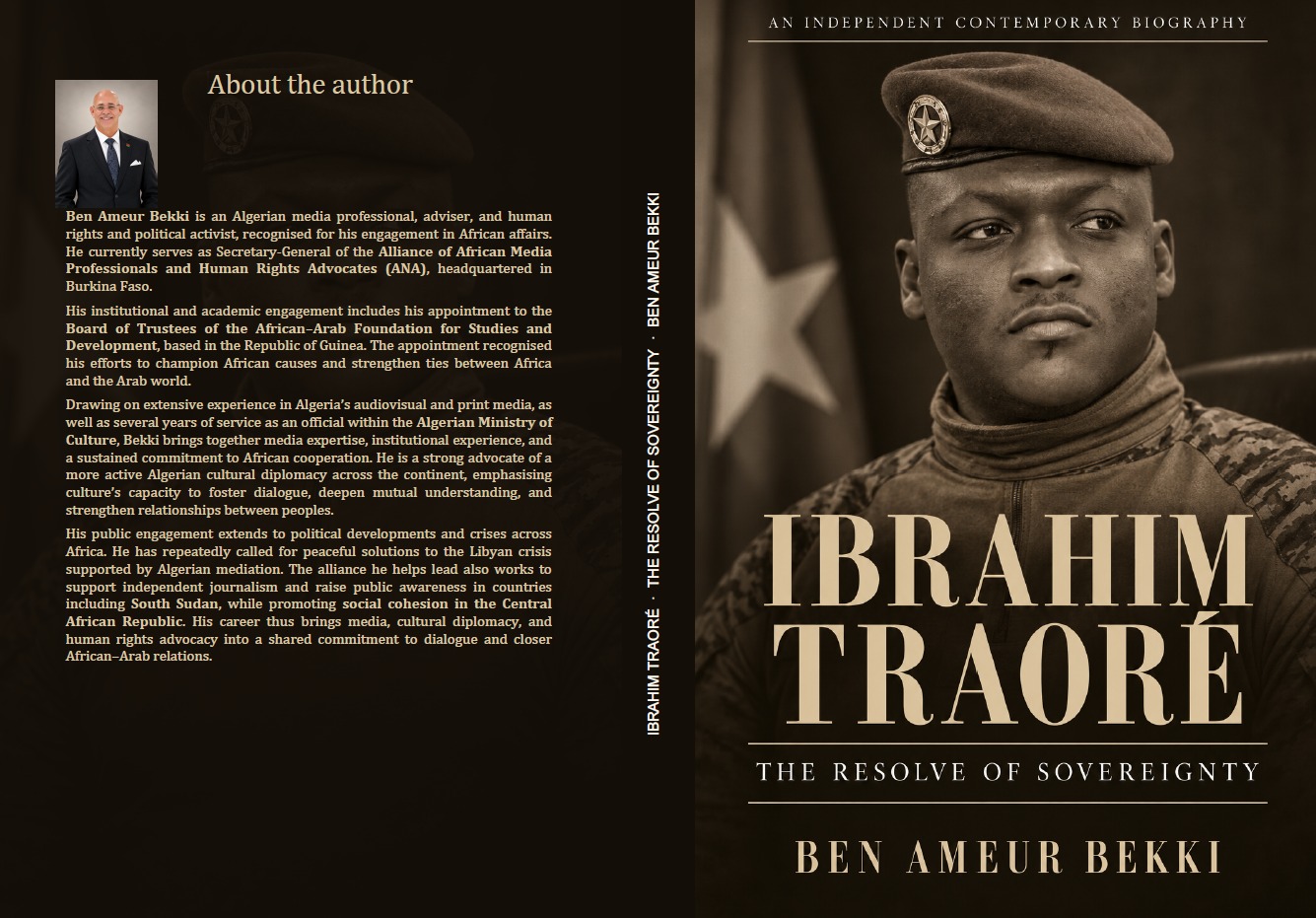
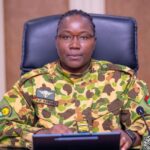
At the heart of this momentum emerges the determined imprint of the President of Faso, Captain Ibrahim Traoré. Under his resolute leadership, the State has chosen action over resignation, firmness over dependence.
Whether it is breathing new life into the fighting forces, modernizing the means of defense, promoting economic transformation, or reawakening national pride in every corner of the country, his leadership embodies a new, direct, and unifying energy.
He has succeeded in turning the defense of the homeland into a collective undertaking in which every citizen finds their place and their voice.
The return of December 11 thus has the flavor of a moral and political victory. It consecrates the resilience of a nation that refuses tutelage and draws from its own roots the strength to invent its future.
By reconnecting with this great page of its history, Burkina Faso is not merely celebrating the past: it is affirming its present stature and proclaiming loud and clear that its sovereignty is on the march.