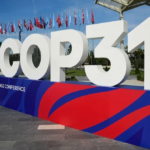

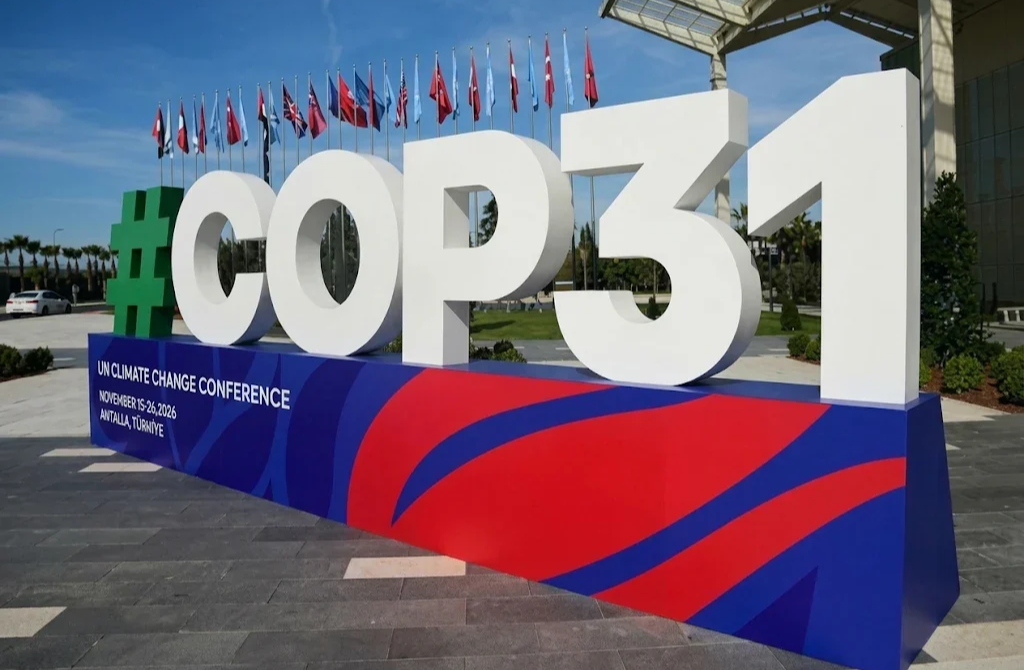
At COP31 in Antalya, on the shores of the Mediterranean, Burkina Faso is not merely making up the numbers. Far from the classic posture of vulnerable nations that come to beg for international solidarity, the Burkinabe delegation is deploying an offensive, uninhibited, and resolutely sovereign climate diplomacy. Ouagadougou is sending a clear message to the international community: the time for empty promises is over what is needed now is concrete action and respect for African realities.
This assertive stance rests on a perfectly orchestrated legislative and diplomatic coup.
On November 9, the very day of the official opening of the 31st Conference of the Parties, the People’s Legislative Assembly adopted two major texts: a law governing carbon initiatives and the authorization to ratify the Biodiversity Beyond National Jurisdiction (BBNJ) Agreement.
By equipping the country with a sovereign and transparent legal framework to capture carbon finance for the direct benefit of local communities, the Burkinabe authorities are proving that national action now outpaces multilateral inertia.
Even more, by committing to ocean governance despite its landlocked geography, the land of upright people demonstrates a global geopolitical vision perfectly aligned with the Turkish presidency of COP31.
Buoyed by this irreproachable credibility, Burkina Faso speaks on equal terms with world powers.
The red line drawn by Ouagadougou is unambiguous: no new reporting constraints without predictable, accessible financing composed mainly of grants.
By demanding the full application of Article 9.1 of the Paris Agreement and direct access to the Loss and Damage Fund, the Burkinabe delegation firmly defends the daily lives of its farmers, herders, and rural populations the true sentinels of the climate in the Sahel.
Driven by close coordination with the Confederation of Sahel States, the African Group, and the G77+China, Burkina Faso rejects any ecological transition disconnected from its imperatives of food security, energy access, and economic sovereignty.
In Antalya, Burkinabè diplomacy succeeds in turning the Sahel’s climate vulnerability into a major lever of political influence, inviting international partners no longer to assist the country but to invest in a standing, organized nation that is master of its own climate development.